Canadian Regulatory Frameworks and Their Effects on Progressive Jackpot Synchronization Across Digital Slot Networks
Carlo Washington · Oct 14, 2026
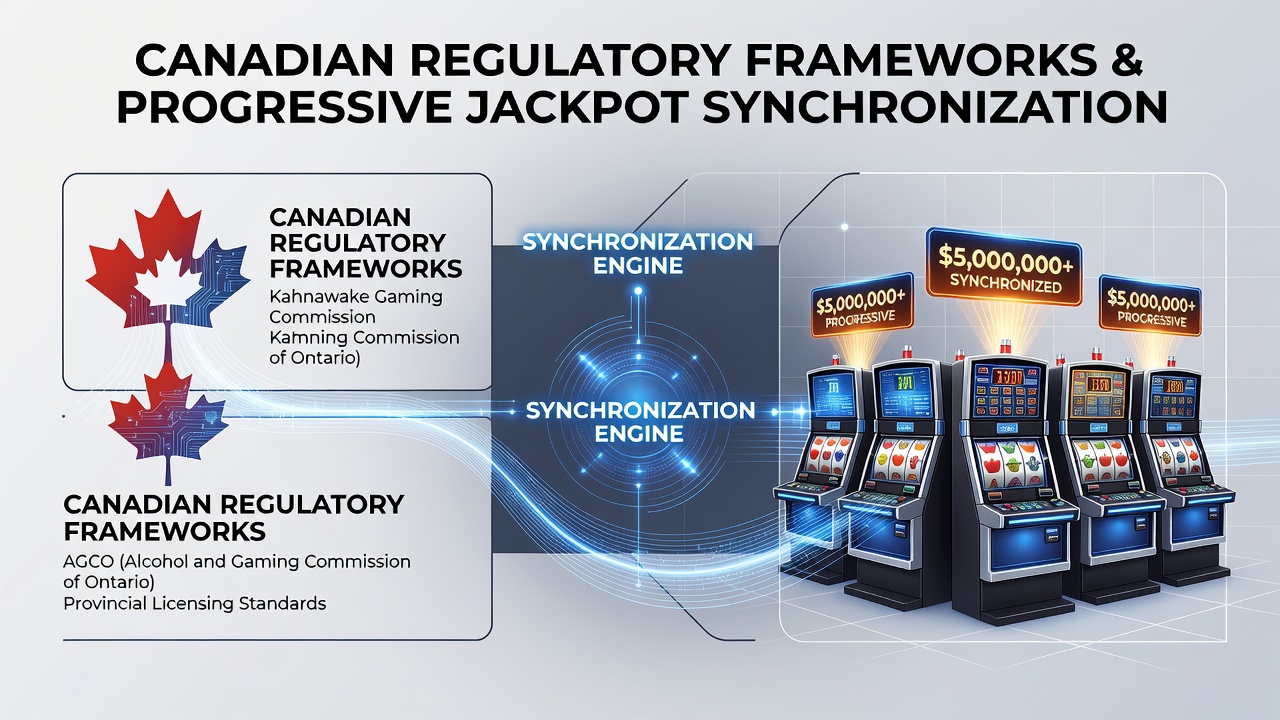
Canadian Regulatory Frameworks and Their Effects on Progressive Jackpot Synchronization Across Digital Slot Networks
Canadian provincial authorities maintain distinct yet overlapping approaches to governing digital slot operations, particularly where progressive jackpots require synchronized contributions across multiple platforms and jurisdictions. These frameworks emerged from earlier land-based models and adapted as online gaming expanded through licensed operators in provinces such as Ontario, British Columbia, and Alberta. Synchronization demands precise coordination of contribution rates, prize pools, and random number generator outputs to prevent discrepancies that could affect payout integrity or regulatory compliance.
Provincial Oversight Structures
Each province operates under its own gaming control body, which sets technical standards for how progressive systems pool funds from participating machines or games. In Ontario the Alcohol and Gaming Commission oversees operator licensing and requires real-time reporting of jackpot activity, while British Columbia relies on the Gaming Policy and Enforcement Branch to enforce similar data-sharing protocols. Alberta's regulatory environment places additional emphasis on inter-operator agreements that define how contributions flow into shared pools without violating provincial boundaries. Observers note that these variations create layered compliance requirements for networks spanning more than one province, especially when a single jackpot must draw from players in separate regulatory zones.
Technical Synchronization Requirements
Progressive jackpot synchronization relies on secure data feeds that update pool balances at intervals measured in milliseconds, and regulators mandate encryption standards plus independent testing of the underlying software. Operators must demonstrate that any interruption in network connectivity triggers automatic safeguards, such as freezing contributions until reconciliation occurs. Data from provincial audits conducted through mid-2026 indicates that synchronization failures remain rare yet trigger immediate investigation when they appear. Those who've studied system logs across multiple sites report that most incidents trace back to latency in third-party aggregator platforms rather than core regulatory non-compliance.
Effects on Network Operations and Player Access
Because progressive pools grow only when connected machines or digital instances remain active, regulatory rules around session timeouts and player verification indirectly influence jackpot growth rates. In October 2026 several operators adjusted their cross-province linkages after updated guidelines clarified how dormant accounts affect pool calculations. Networks that once allowed seamless participation from any licensed jurisdiction now segment contributions according to the player's registered province, a change that slowed overall pool expansion but improved audit traceability. Research indicates this segmentation aligns with broader data-protection expectations while still permitting substantial jackpots to accumulate over time.
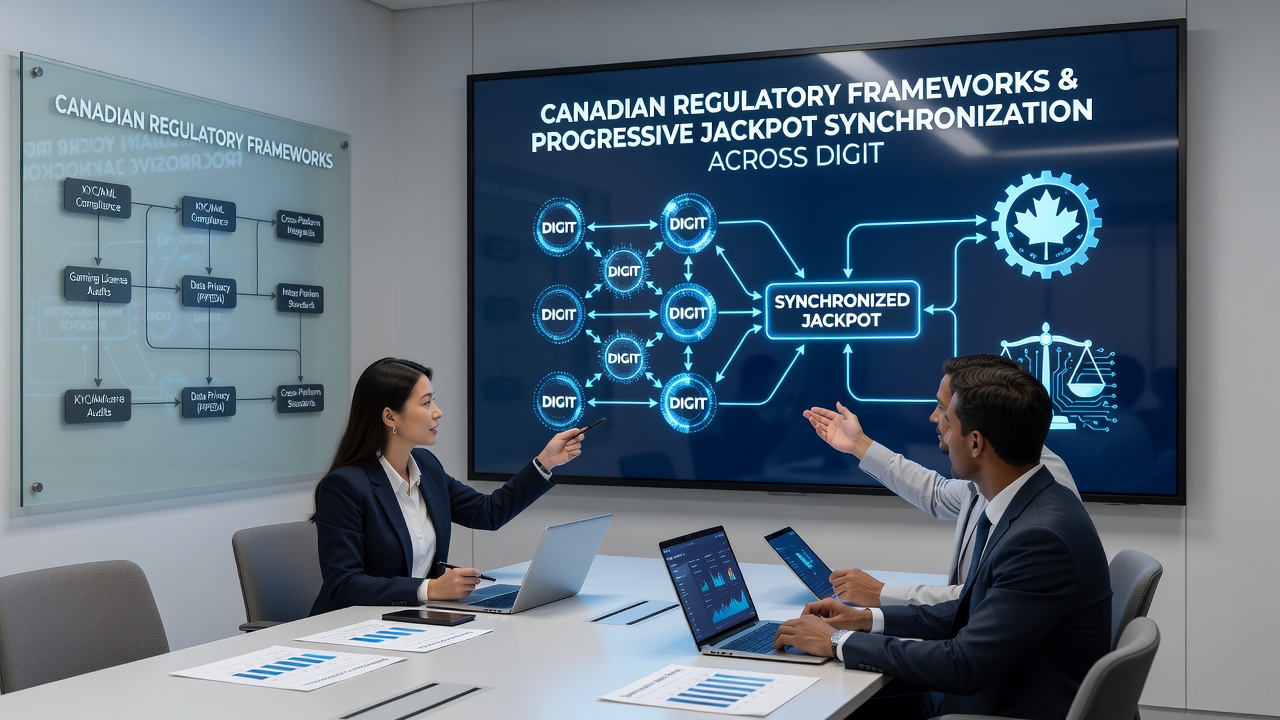
Operators have responded by deploying modular software architectures that isolate provincial data streams while feeding into a unified display for players. This approach satisfies local reporting demands without sacrificing the visual appeal of rapidly rising jackpots. Industry reports from the Canadian Gaming Association highlight that such modular designs reduce reconciliation times during monthly audits by roughly 40 percent compared with earlier monolithic systems.
Compliance Challenges and Adaptations
Cross-border synchronization introduces questions about which province claims regulatory primacy when a jackpot triggers for a player located in one jurisdiction yet funded partly by players in another. Regulators have addressed this through memoranda of understanding that assign primary oversight to the province where the winning bet originated, while requiring secondary notification to other contributing jurisdictions. Those who've examined these agreements observe that they rely heavily on standardized data formats developed by technical working groups involving multiple provincial bodies. The result is a more uniform reporting template that operators can implement once rather than customize for every province.
Additional scrutiny falls on the fairness of contribution percentages, which must remain consistent across all connected devices regardless of their physical or virtual location. Testing laboratories accredited by provincial authorities conduct periodic reviews to verify that no single operator gains an advantage through selective pool allocation. Figures released in late 2026 show that average contribution rates for major progressive networks stabilized between 1.2 and 2.8 percent of each wager, depending on the game category and provincial caps.
Conclusion
Canadian regulatory frameworks continue to shape how progressive jackpots operate across digital slot networks by enforcing technical standards, segmentation rules, and audit procedures that differ by province yet share common goals of transparency and player protection. As networks evolve to accommodate these requirements, operators maintain synchronization through modular designs and inter-jurisdictional agreements that support both compliance and pool growth. Data from ongoing provincial monitoring programs suggests these arrangements will persist as the primary mechanism for managing large-scale progressive systems in the Canadian market.