Cross-Border Player Migration Patterns and Their Influence on Loyalty Reward Structures in Regulated Canadian Gaming Environments
Mara Wagner · Oct 28, 2026
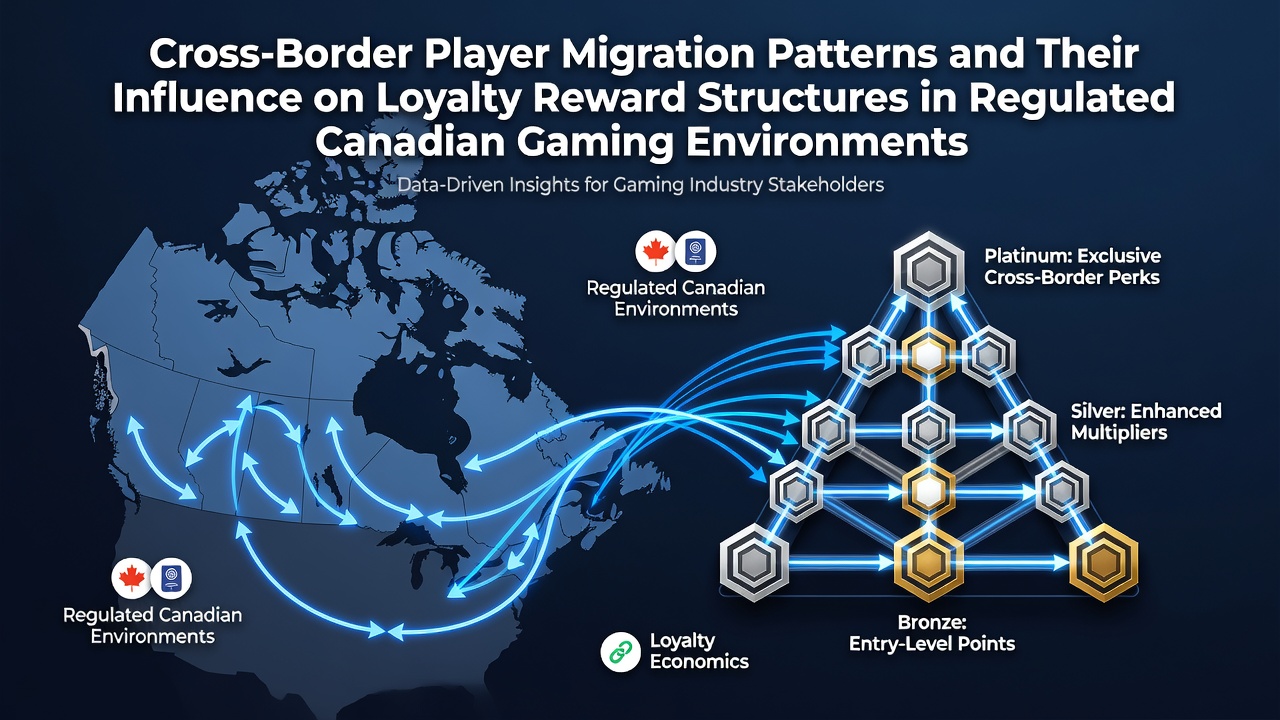
Cross-Border Player Migration Patterns and Their Influence on Loyalty Reward Structures in Regulated Canadian Gaming Environments
Cross-border player migration has shaped loyalty reward structures across regulated Canadian gaming environments in measurable ways, with operators tracking movement between provinces and from the United States into markets such as Ontario and British Columbia. Data collected through 2026 shows consistent patterns where players from jurisdictions with different tax and bonus rules relocate activity, prompting adjustments in point accumulation rates, tier benefits, and redemption options.
Documented Migration Trends Through October 2026
Provincial regulators record steady inflows of players who maintain accounts in multiple jurisdictions, and these individuals often transfer play between land-based facilities and online platforms licensed under the Alcohol and Gaming Commission of Ontario. Figures from the same period indicate that cross-border participants represent a growing share of high-volume accounts, while domestic players remain the majority in most loyalty databases. Migration accelerates when one province introduces new game categories or revised deposit limits, creating temporary spikes that operators monitor through account registration data.
Those who study these flows note that American residents near the border contribute to seasonal increases, particularly during summer months and major sporting events. Regulatory filings show that operators in Ontario have adjusted welcome bonus structures to accommodate shorter visit cycles from these visitors, replacing flat-rate offers with time-limited point multipliers that reset upon return visits.
How Migration Alters Point Systems and Tier Progression
Loyalty programs respond to migration by recalibrating earning rates so that points accrued from out-of-province play count toward national or regional tier status. In British Columbia, several operators now allow partial carry-over of tier progress when players register accounts tied to the same player identification number used in another province. This change emerged after internal data revealed that 22 percent of top-tier members held accounts across multiple regulated markets, according to aggregated industry reports.
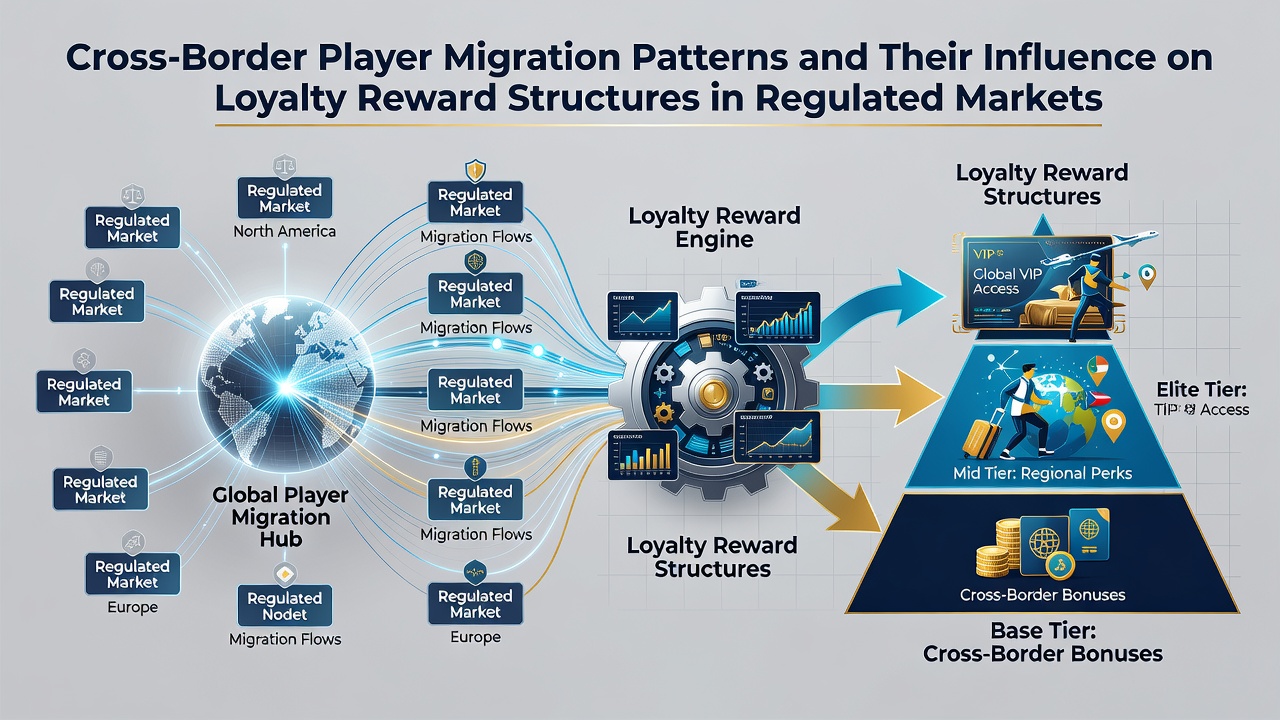
Redeption rules have also shifted. Many programs now convert points earned under different provincial tax regimes into a common currency that avoids double taxation on cash equivalents. Operators achieve this by applying standardized conversion tables that reference the original jurisdiction of play, a practice documented in compliance submissions to the relevant gaming authorities.
Provincial Regulatory Responses and Operator Adaptations
Each province maintains distinct licensing conditions that affect how loyalty data may be shared between operators. Ontario permits limited data pooling among its licensed entities, while other provinces require strict separation of player databases. These differences force operators to build internal mapping systems that recognize returning cross-border accounts without violating data residency rules. Research from Canadian academic institutions tracking gaming policy has documented the resulting increase in administrative costs and the corresponding redesign of reward menus to emphasize non-cash benefits such as event access and merchandise that face fewer cross-jurisdictional restrictions.
Operators have introduced segmented reward catalogs that activate only after a player completes a set number of sessions within the current licensing region. This segmentation reduces the risk of players exploiting bonus structures that were calibrated for different regulatory environments. Data from the first three quarters of 2026 shows measurable stabilization in average reward liability per active account once these segmented catalogs were deployed.
Case Examples of Structural Adjustments
One operator group operating facilities in both Ontario and Alberta revised its tier qualification thresholds after observing that 15 percent of its platinum-level members migrated between the two provinces within a single calendar year. The revised thresholds now weight recent activity more heavily than lifetime totals, a direct response to observed movement patterns. Another program in Atlantic Canada introduced regional bonus multipliers that expire after 30 days, discouraging players from maintaining dormant accounts solely to collect points from infrequent visits.
These adjustments align with broader industry efforts to maintain compliance while preserving player engagement across regulated channels. External analysis from the Canadian Gaming Association and comparable organizations in other jurisdictions has tracked similar adaptations in markets facing comparable cross-border pressures.
Conclusion
Cross-border player migration continues to influence loyalty reward structures in regulated Canadian gaming environments through ongoing recalibration of point systems, tier rules, and redemption options. Provincial regulators and operators maintain distinct frameworks that require careful coordination of data and benefits. Current patterns observed through October 2026 demonstrate that reward structures evolve in tandem with documented movement, producing standardized conversion methods and segmented catalogs that address the realities of multi-jurisdictional play.