Regulatory Shifts Influencing E-Wallet Alignment With Live Roulette Broadcasts On Mobile Devices Throughout Canadian Provinces
Otto Brooks · Sep 30, 2026
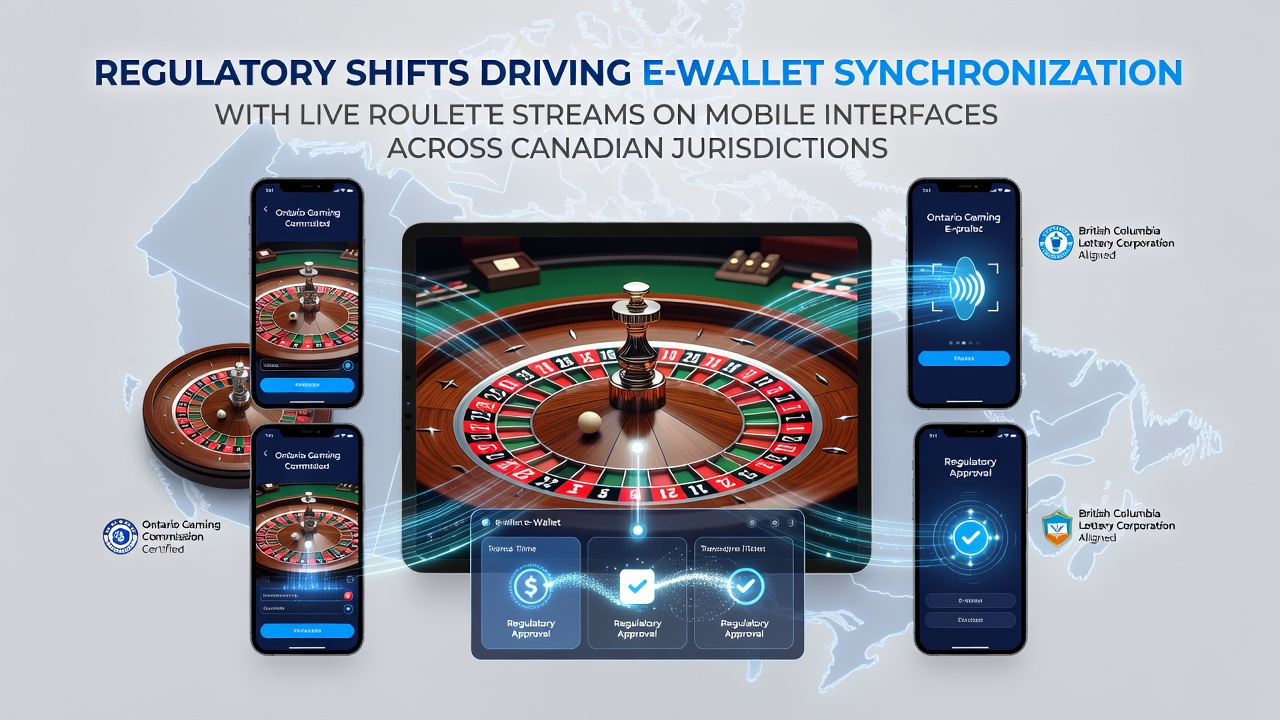
Regulatory Shifts Influencing E-Wallet Alignment With Live Roulette Broadcasts On Mobile Devices Throughout Canadian Provinces
Provincial regulators across Canada continue to adjust frameworks that govern digital payments and real-time gaming streams, and these adjustments directly affect how e-wallets connect with live roulette interfaces on mobile devices. In Ontario the Alcohol and Gaming Commission has updated technical standards that require payment providers to maintain continuous data exchange with approved streaming platforms, which allows players to fund accounts or withdraw winnings without leaving the broadcast window. Similar directives in British Columbia and Quebec emphasize secure API linkages between licensed operators and financial institutions, ensuring transaction records remain synchronized with game outcomes displayed on dealer tables.
Provincial Frameworks and Payment Synchronization Requirements
Each jurisdiction maintains its own licensing criteria yet shares common expectations around transaction speed and audit trails. Observers note that Ontario's most recent compliance checklist, released ahead of September 2026, mandates millisecond-level confirmation of e-wallet transfers during active roulette spins, while British Columbia's gaming authority focuses on multi-factor authentication embedded directly in the mobile stream. Researchers at the Canadian Gaming Association have documented how these rules reduce latency between bet placement and fund movement, creating smoother sessions for users who switch between provincial platforms.
Quebec's regulatory body has introduced parallel guidelines that require operators to log every wallet interaction against the unique session identifier generated by the live dealer software. This approach prevents discrepancies that previously arose when mobile users toggled between portrait and landscape views. Data shared by the Alcohol and Gaming Commission of Ontario shows that synchronized systems processed over 14 million transactions in the first half of 2026 without manual intervention, a figure that reflects the growing reliance on automated reconciliation tools.
Technical Standards for Mobile Interfaces and Live Streams
Mobile applications must now incorporate certified modules that communicate directly with both e-wallet servers and roulette streaming endpoints. These modules handle encryption handshakes and balance updates in a single continuous flow rather than through separate pop-up windows. Operators report that implementation of these modules began rolling out in late 2025, with full adoption targeted before the September 2026 compliance deadline in multiple provinces.
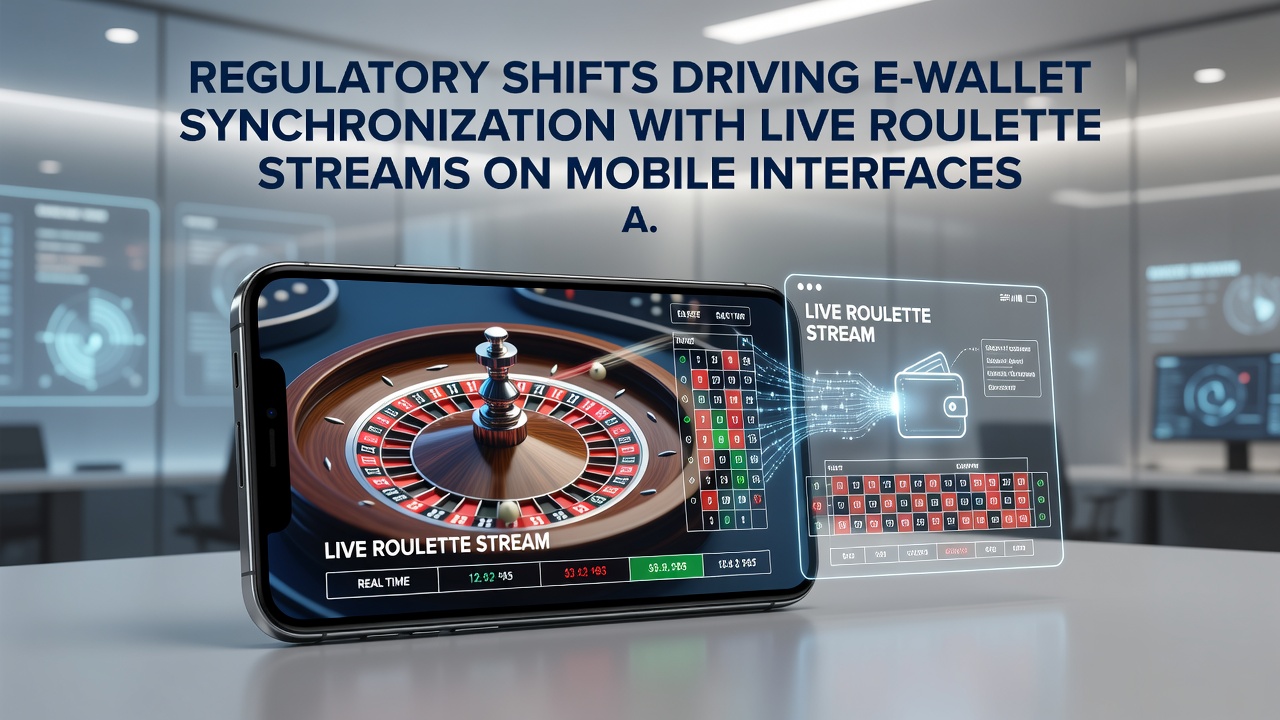
Hardware requirements include support for secure element chips found in recent smartphone models, which store tokenized payment credentials and allow instant verification during high-frequency betting sequences. Software vendors have responded by releasing updated software development kits that embed these security features while preserving the low-latency video feed essential for authentic dealer interactions. Figures from industry testing labs indicate that average round-trip times for wallet actions dropped below 800 milliseconds once the new synchronization protocols were activated.
Cross-Border Operator Adaptations and Data Reporting
Operators licensed in more than one province must maintain separate compliance logs for each regulatory environment, yet the underlying e-wallet technology remains unified to avoid duplicating user accounts. This structure allows a single mobile application to detect the player's location and apply the corresponding synchronization rules without interrupting the roulette broadcast. Reports submitted to regulators in September 2026 will include granular metrics on failed transaction attempts, latency spikes, and user drop-off rates tied specifically to payment-stream alignment issues.
International comparisons reveal parallel developments in other regulated markets. The International Association of Gaming Regulators has catalogued similar API mandates in Australian jurisdictions, where live dealer platforms also require real-time wallet confirmation. Canadian regulators have referenced these overseas models when drafting local technical specifications, adapting elements that address mobile network variability across remote northern communities.
Conclusion
Regulatory evolution across Canadian provinces continues to shape the technical relationship between e-wallets and live roulette streams on mobile devices. Updated standards scheduled for September 2026 emphasize continuous data exchange, secure element integration, and province-specific logging while preserving a unified user experience. These changes build on existing frameworks in Ontario, British Columbia, and Quebec, producing measurable improvements in transaction reliability and session continuity for participants accessing dealer tables through mobile interfaces.