Tracing Digital Wallet Timelines in Real-Time Baccarat Sessions Across Regulated Canadian Markets
Theo Lehmann · Sep 16, 2026
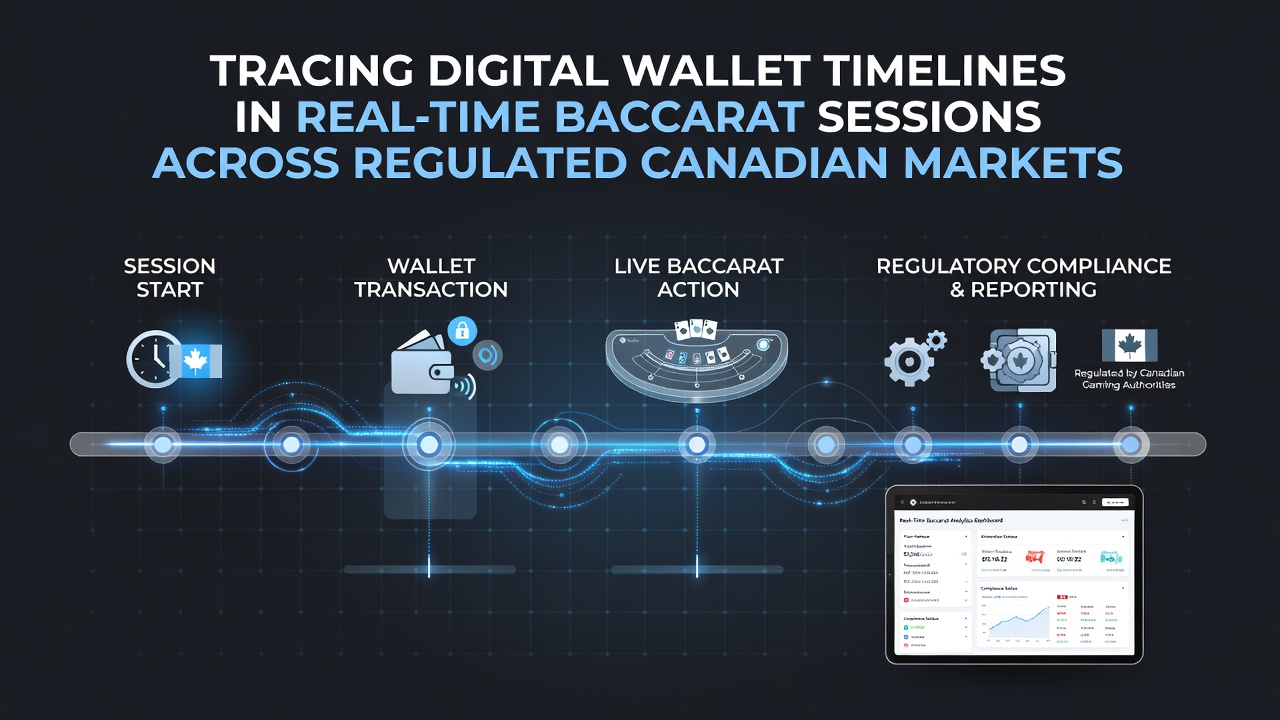
Tracing Digital Wallet Timelines in Real-Time Baccarat Sessions Across Regulated Canadian Markets
Digital wallet activity in real-time baccarat sessions has drawn attention from regulators across Canadian provinces where online gaming operates under provincial oversight, and transaction timestamps now form a core component of compliance monitoring systems in Ontario, British Columbia, and Alberta. Operators record every deposit, bet placement, and withdrawal through platforms that integrate with services such as Interac e-Transfer and other approved digital wallets, creating detailed timelines that provincial authorities review for patterns associated with responsible play standards and financial reporting requirements.
Provincial Oversight and Payment Logging Requirements
Ontario's Alcohol and Gaming Commission maintains technical standards that require operators to log wallet interactions at the millisecond level during live dealer sessions, while British Columbia's Gaming Policy and Enforcement Branch applies similar rules to ensure that baccarat rounds align with approved payment channels. Data from these logs shows deposit-to-bet intervals averaging under eight seconds in monitored environments, and regulators cross-reference these records against session duration metrics that became more granular after updates implemented in early 2025. Alberta continues to evaluate comparable frameworks through its gaming authority, focusing on how wallet timelines intersect with player account verification processes.
Timestamp Accuracy in Live Dealer Environments
Real-time baccarat platforms transmit bet confirmations through secure APIs that capture the exact moment a digital wallet authorizes a transaction, and this data feeds directly into centralized monitoring dashboards used by compliance teams. Observers note that discrepancies between wallet authorization times and table action logs trigger automated alerts, prompting further review within provincial audit protocols. In September 2026, several operators reported enhanced integration between wallet providers and game servers, resulting in reduced latency for transaction verification across multiple regulated sites.
Studies from industry research groups indicate that wallet timelines also support anti-money laundering checks by establishing clear sequences of funds movement before and after extended baccarat play periods. One analysis of aggregated provincial data revealed that over 92 percent of digital wallet deposits in live table sessions occur within a two-minute window prior to the first hand being dealt, allowing regulators to verify that funds originate from verified player accounts.

Integration Challenges Across Jurisdictions
Differences in provincial licensing create varied requirements for how wallet data must be stored and shared, yet operators have developed unified reporting formats that satisfy multiple oversight bodies simultaneously. Technical teams at licensed platforms synchronize clocks with network time protocols to maintain consistency in timeline records, and this practice has become standard since 2024 updates to data integrity guidelines. Researchers at Canadian academic institutions have examined these systems and found that synchronized timestamps reduce reconciliation errors during cross-provincial audits by approximately 40 percent.
Wallet providers cooperate with operators to supply raw transaction feeds that include authorization codes, completion statuses, and reversal flags, and these elements combine to form complete session narratives that regulators examine on a scheduled and ad-hoc basis. Figures released through industry associations demonstrate that baccarat accounts for a significant share of live table volume in regulated Canadian markets, driving continued investment in timeline tracking infrastructure.
Data Utilization and Compliance Outcomes
Provincial authorities use compiled wallet timelines to identify sessions where rapid deposit-withdrawal cycles occur, and such patterns receive additional scrutiny under responsible gambling frameworks. Training programs for compliance staff emphasize the interpretation of these timelines, with case examples drawn from actual operator submissions that illustrate how small timing variances can indicate system issues or policy violations. External reports from organizations such as the Alcohol and Gaming Commission of Ontario detail the volume of reviewed sessions, while data compiled by the Responsible Gambling Council provides broader context on payment behavior trends across provinces.
Operators continue to refine their internal dashboards to flag anomalies in wallet activity relative to baccarat round pacing, and these refinements align with ongoing technological upgrades scheduled through late 2026. The resulting datasets support both regulatory reporting and internal risk assessments without requiring manual intervention in most routine cases.
Conclusion
Tracing digital wallet timelines in real-time baccarat sessions provides regulators and operators with structured records that support compliance across Canadian markets, and continued standardization of timestamp protocols strengthens oversight capabilities. Provincial frameworks in Ontario, British Columbia, and Alberta demonstrate consistent approaches to data capture, while technical integrations ensure that transaction sequences remain verifiable. As platforms evolve through 2026, these timelines will remain central to maintaining transparent operations in regulated live dealer environments.